
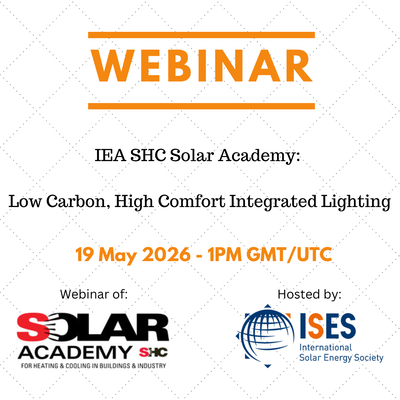
IEA SHC Solar Academy: Low Carbon, High Comfort Integrated Lighting (1)
Lighting accounts for 15 % of the global electrical energy consumption and 5 % of global CO2 emissions. Thus, widening the rating perspective of lighting solutions to a more holistic view of its impact on CO2 emissions, encompassing the whole life cycle chain also in the context of regional energy markets aspects, interaction with other building trades, etc. is urgently deemed necessary. This goes far beyond the pure LED lamp-driven energy efficiency gains. The aim of IEA SHC Task 70 / EBC Annex 90 “Low Carbon, high comfort integrated lighting” is to identify and support implementing the potentials of lighting (electric, façade: daylighting and passive solar) in the decarbonization on a global perspective while aligning the new integrative understanding of humans’ light needs with digitized lighting on a building and a building related urban scale.
In this webinar, the activities and results of the work will be highlighted. Specific attention will be paid to low carbon strategies (electric lighting and daylighting/Façade), new findings on lighting requirements for humans and the status of digitalization with respect to technologies and design processes.
Speakers:
- Jan de Boer (Fraunhofer Institute IBP, LiTG): Introduction to IEA SHC Task 70 / Annex 90 - Status of lighting and decarbonisation
- Mandana S. Khanie (University College London, CIE JTC 18, Daylight Academy): Visual and Non-Visual Lighting Requirements for Decarbonisation: Collected Scientific Evidence and Emerging Insights
- David Geisler-Moroder (University of Innsbruck, ISO/CIE): Digitalized Lighting Solutions – State of the Art in Technologies and Design workflows
- Niko Gentile (Lund University): Application and Case studies – How do concepts prove in practice
Moderator: Bärbel Epp (Solrico)
The webinar is organised by the Solar Academy of the IEA Solar Heating and Cooling Programme and hosted by ISES, the International Solar Energy Society.
Special announcement - Webinar re-run on 21 May 2026
ISES and the IEA SHC Solar Academy are happy to announce that this webinar will be broadcast again on 21 May 2026 at 5 AM GMT/UTC to accommodate our global audience, especially from Australia and Asia. This webinar consists of a BROADCAST of the presentations in the first part of the event (presentations recorded as video) and includes a LIVE Q/A with the speakers in the second half of the event.
Webinar presentations
Speakers
Jan de Boer

Group manager Lighting Technology and Passive Solar Systems in the Department of Energy Efficiency and Indoor Climate at the Fraunhofer Institute for Building Physics IBP in Stuttgart. Member and coordinator of several standardization commissions and working groups on energy efficient lighting. Speaker of the scientific technical Committee of the German LiTG on the topic “daylighting”. 2013 – 2015: Operating agent IEA-SHC Task 50 “Advanced Lighting Solutions for Retrofitting Buildings”. 2018 – 2021 Operating agent IEA-SHC Task 61 / EBC Annex77 “Integrated Solutions for Daylighting and Electric Lighting”. Since 2023 Operating agent IEA-SHC Task 70 / EBC Annex90 “Low Carbon, High Comfort Integrated Lighting”.
Presentation: Introduction to IEA SHC Task 70 / Annex 90 - Status of lighting and decarbonisation
Mandana S. Khanie

Dr Mandana S. Khanie is Director of the MSc Light and Lighting and Lecturer in Health, Well-being and Comfort in Sustainable Buildings at UCL’s Institute for Environmental Design and Engineering (IEDE), The Bartlett. Trained in architecture and building science (EPFL PhD, Chalmers MSc), in her research, she explores the effect of visual and non-visual light exposure on comfort and health through human responses. She serves as Principal Investigator of multiple projects and leads on a Knowledge Transfer Partnership (KTP) with Innovate UK, developing an AI-driven knowledge base for collaborative design. Dr Khanie serves as Chair of CIE JTC 18 on Lighting Education, co-leads the subtask “Visual and Non-Visual Requirements” of IEA SHC Task 70/Annex 90. She is a member of Daylight Academy. Previously, she has worked at DTU Denmark, EPFL Switzerland, Fraunhofer ISE, Germany, and with industry partners (AFREY Group, K-Konsult AB, Sweden).
Presentation: Visual and Non-Visual Lighting Requirements for Decarbonisation: Collected Scientific Evidence and Emerging Insights
David Geisler-Moroder
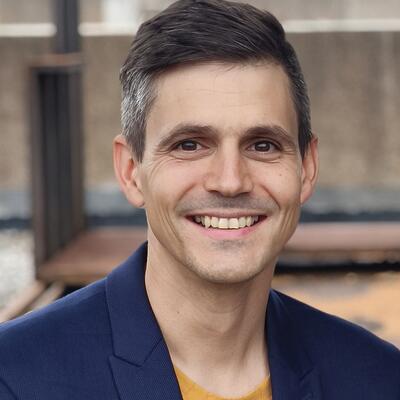
After completing his doctorate in Technical Mathematics, David Geisler-Moroder worked for 12 years as a project manager and head of the competence field daylight at Bartenbach. Since 2023, he has been as research associate at the Unit for Energy Efficient Building at the University of Innsbruck. His main work and research areas include the development of simulation methods, the interface between daylighting and building physics, daylighting systems, (day)lighting effects on humans, and lighting technology principles. David leads the Subtask “Digitalized Lighting Solutions” in the IEA SHC Task 70 “Low Carbon, High Comfort Integrated Lighting”, as well as the ISO/CIE standardization project 25176 on “BSDF data generation for complex fenestration systems”.
Presentation: Digitalized Lighting Solutions – State of the Art in Technologies and Design workflows
Niko Gentile
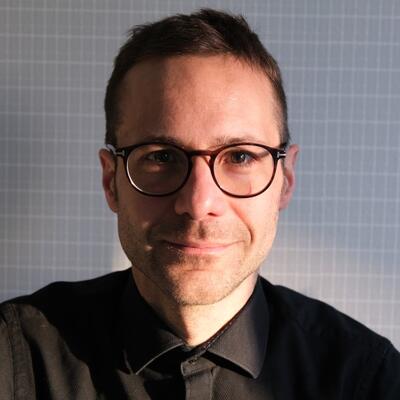
Niko Gentile is an Associate Professor at the Division of Energy and Building Design at Lund University, where he also serves as Programme Director for the MSc in Energy-efficient and Environmental Building Design. His research focuses on daylighting and electric lighting in buildings, integrating building physics, environmental psychology, and architectural design to evaluate both environmental performance and human experience. Gentile’s work addresses lighting quality, user interaction with lighting systems, solar access in urban environments, and the life-cycle impacts of integrated daylight and electric lighting solutions. He is actively involved in international research collaborations, including several IEA SHC Task (Task 50, 61, and 70), the daylighting education platform NLITED, and co-authored the book Daylighting and Lighting Under a Nordic Sky, which examines daylighting design challenges and opportunities in high-latitude contexts.
Presentation: Application and Case studies – How do concepts prove in practice
Bärbel Epp - Moderator

Bärbel Epp is the founder and managing director of the German consultancy solrico. She is responsible for the international newsletter of the web portal www.solarthermalworld.org, reporting exclusively about market and technology trends in the solar heating and cooling sector globally. solrico also created the first online World Map of SHIP suppliers (SHIP = Solar Heat for Industrial Processes) and carries out surveys among the around 70 companies listed on the world map annually. Bärbel Epp graduated in Physics at the University of Oldenburg, Germany.
Webinar organiser
IEA SHC Solar Academy
The SHC Solar Academy is the latest effort by the IEA SHC Programme to share its work and support R&D and implementation of solar heating and cooling projects worldwide. The academy includes webinars by IEA SHC experts on specific results and tools and hosted by ISES, videos highlighting IEA SHC's work and other relevant issues, national days for the exchange of information between national experts and IEA SHC experts and onsite training by IEA SHC experts is offered by request in IEA SHC member countries.
Please find more information on the IEA SHC Academy here.