
ISES Column in pv magazine (February 2026) - Solar electricity during night-time
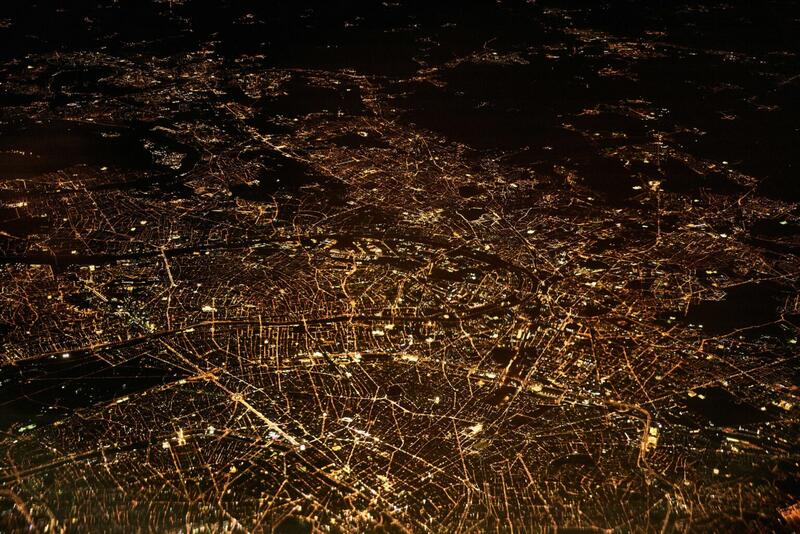
Night-time in solar PV systems averages 16 hours, requiring significant storage or alternative generation to meet demand. Pumped hydro and batteries are key, with pumped hydro offering long-duration, low-cost storage for cloudy or windless periods. Complementary strategies include wind power, load shifting, and dispatchable generation, while high solar and wind penetration reshapes grid operations and pricing.
Check out the pv magazine column written by former ISES Board Directors and leaders of the ISES PV Strategy Committee, Prof. Andrew Blakers (ANU) and Prof. Ricardo Rüther (UFSC). Read the full article at the link!
Meet the authors
Ricardo Rüther

Prof. Dr. Ricardo Rüther studied Metallurgy and Materials Science at Universidade Federal do Rio Grande do Sul in Brazil and received his Ph.D. in Electrical and Electronic Engineering from the University of Western Australia. Ricardo Rüther is a Full Professor at the Universidade Federal de Santa Catarina in Florianopolis-Brazil, in the field of solar photovoltaics, solar irradiation resource assessment, electrochemical storage and electromobility.
Ricardo served as ISES Vice President from 2022-2024 and is currently part of the fiscal committee of ABENS, the official ISES section in Brazil. In 2019, Ricardo was also awarded the ISES Achievement through Action Award.
Prof. Andrew Blakers
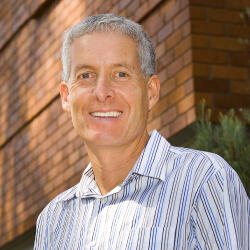
Andrew Blakers is Professor of Engineering at the Australian National University. He was a Humboldt Fellow and has held Australian Research Council QEII and Senior Research Fellowships. He is a Fellow of the Academy of Technological Sciences & Engineering, the Institute of Energy and the Institute of Physics. He is a Public Policy Fellow at ANU.
Professor Blakers’ primary interest is advanced silicon solar cells - increasing efficiency and reducing cost, including for thin film silicon solar cell technology concentrator solar cells, tandem solar cells and PV components and systems. He is also interested in sustainable energy policy, including detailed analysis of energy systems with high (50-100%) penetration by wind and photovoltaics with support from pumped hydro energy storage. He has extensive experience with basic and applied research, and led the teams that developed PERC and Sliver cell technologies. He also has interest in sustainable energy policy, and is engaged in detailed analysis of energy systems with high (50-100%) penetration by wind and photovoltaics with support from pumped hydro energy storage.
He served as ISES Board Director from 2022-2024.